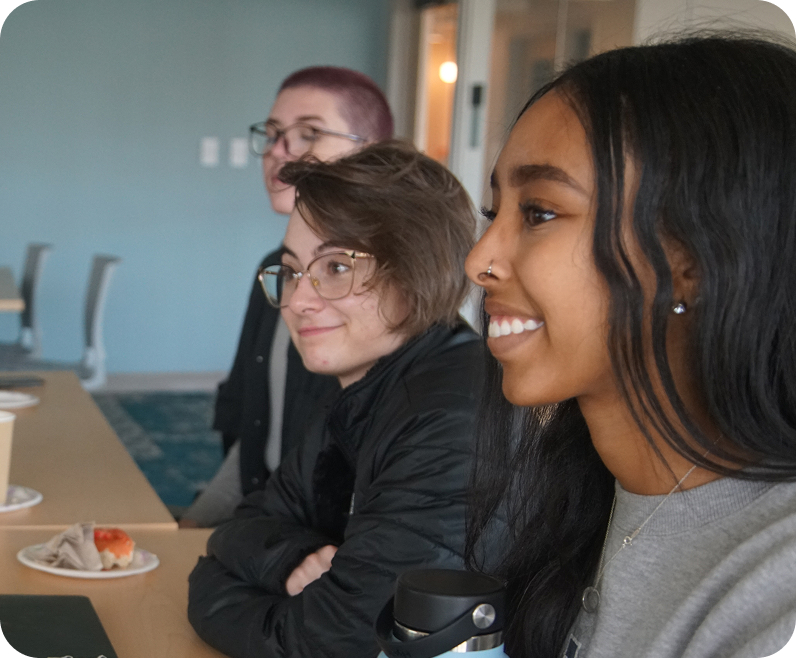
The Undergraduate Research Fellowship provides students with the experience and knowledge to grow from intrigued scholars to independent researchers — culminating in honors theses that contribute fresh insights to the fields of psychology and neuroscience. Starting as sophomores, students embark on a guided journey toward becoming the next generation of wellness scientists, practitioners, and leaders.
“The most valuable aspect [of the fellowship] has been the support from the team that has seen us grow through college and grow into our identities as researchers. And the endless support is just incredible, all through learning how to do R studio to [becoming part of] research labs, to our own thesis projects.”
— Fellow in Inaugural Cohort 2022
The three-year program draws on theories of applied and situated learning, with a focus on apprenticeship, community, and contextualized learning experiences. Fellows engage in seminar courses, community-building activities, summer immersive research experiences, lab apprenticeships, a participatory action research project, conference participation, and a closely mentored honors thesis project.

January 2027
March 2027
May 2027
Application link will be available at the start of the Spring 2027 semester.
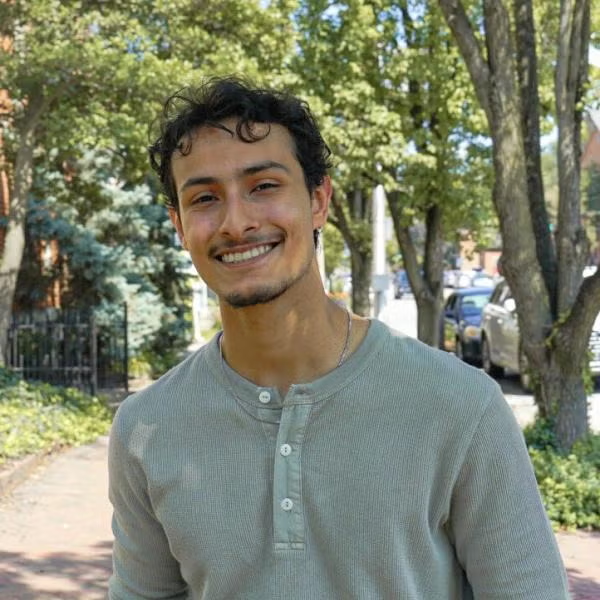
Mateo Andrews Fierro
"I am interested in understanding the neurological basis for behavior, emotion, and responses in order to create personalized and involved care for individuals with mental health disorders, especially throughout adolescent development."
%20Binu%20Jacob.jpg)
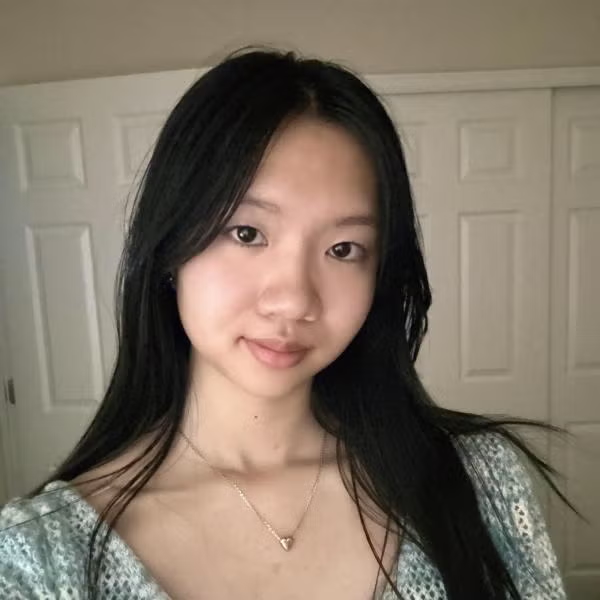
Serah (Shae) Binu Jacob
"I am pursuing a BS in Neuroscience and Integrative Physiology and will graduate from CU Boulder in Spring 2029. As part of the Undergraduate Research Fellowship, I hope to work in the space between neuroscience and health equity and am excited to grow as a researcher, scholar, and human being."
Emily Font
"I am thrilled to be a part of a program that centers empathy and human value in the pursuit of psychological science, and to gain hands-on research experience. I hope to explore mental health accessibility and/or destigmatization in marginalized populations, in hopes of making mental health care more approachable and inclusive."

Gracie Huaman
"I'm interested in computational neuroscience, particularly in using quantitative models and neuroimaging to study the neuralcircuits underlying mental health disorders. Through my work I hope to advance diagnostic techniques, reduce stigma, and improve patient care as an aspiring physician scientist."
Daniel Kwon
"I am looking forward to conducting research that contributes to a better understanding of children's mental health and the factors that influence their well-being. My goal is to help develop knowledge that leads to earlier intervention and better support so that no child has to face mental health challenges alone."
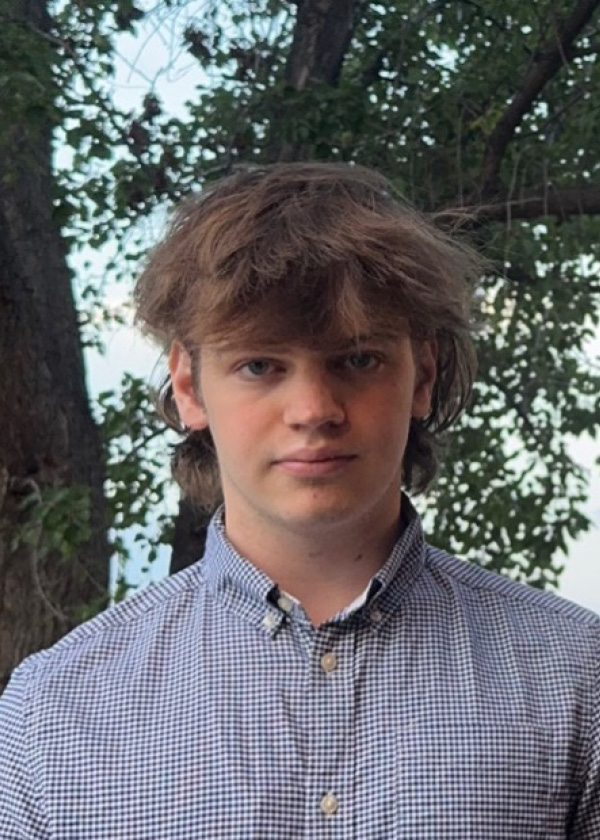
Kauldahn Osman
"I am looking forward to starting work in a research environment and developing important research skills for the future. I am particularly interested in pharmacology and its intersections with psychology and neuroscience."
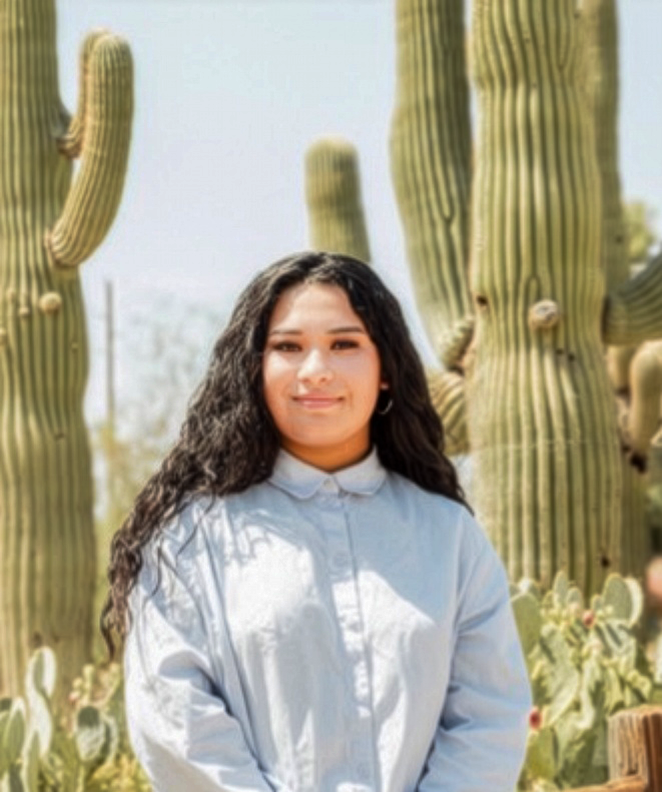
Alejandra Pulido
"What I am most looking forward to in the URF program is being able to gain hands-on experience and explore the questions I'm passionate about, particularly how cognitive processes can influence behavior and athletic performance. I'm excited to learn from researchers and discover where my interests in cognitive and sports psychology can take me."
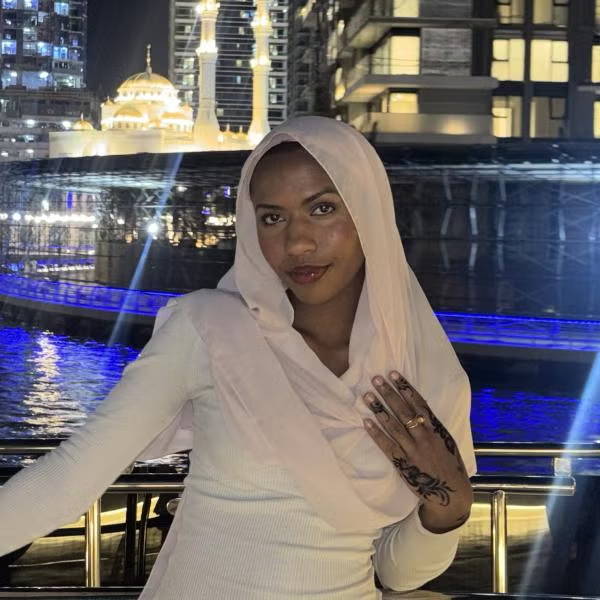
Razan Ibrahiem
"I'm interested in exploring how developmental psychology and neuroscience research can be applied in clinical settings to better understand trauma and promote mental well-being in children."
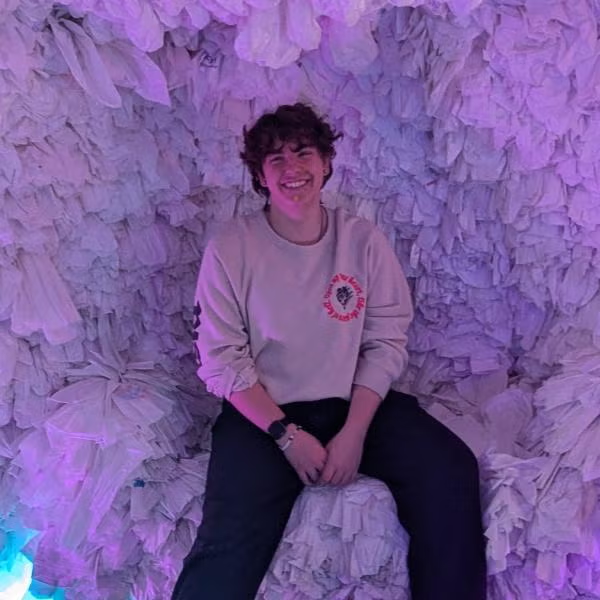
Greyson Kaplan
"I'm passionate about learning and always making sure people are capable of living their life with the best amount of information available to them. Making things available to people is the best way to help them!"
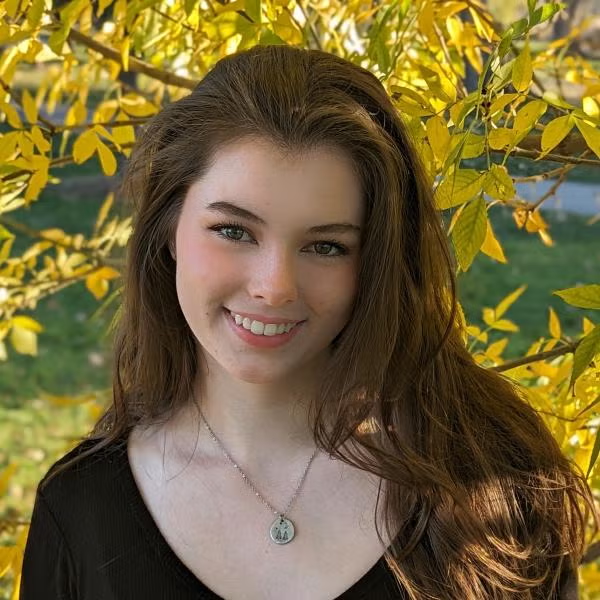
Syd Martin
"I’m interested in researching clinical support for individuals with autism, with a focus on adolescents and young adults."
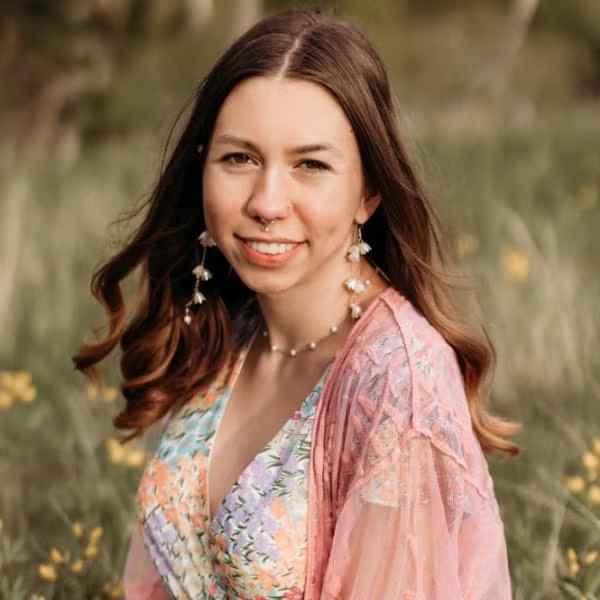
Daphne Parker
"I am passionate about creating a better world for neurodivergent individuals, particularly adolescents. I'm interested in educational psychology and how to make learning more accessible for those with learning differences!"
Samantha Versie
"I have a passion for psychology surrounding stress and the mental well-being of African American youth. I hope to improve the mental health of African American communities through becoming a Clinical Psychologist."
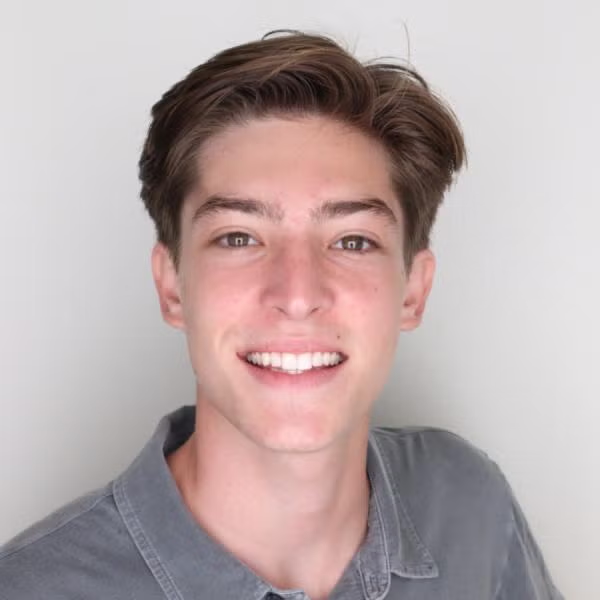
Ben Weiss
"I'm motivated by understanding the neural and psychological basis for positive social-emotional development in adolescents, and how we can leverage this understanding to develop initiatives and evidence-based tools to support future generations."
"I'm interested in researching anxiety disorders and stress in adolescents and how accessible treatment methods could be implemented in communities."
"I'm passionate about the psychology surrounding gender relations and the socialization of girls and boys through social media, their families, and other institutions."
"I believe that knowledge is the cure and encouragement for mental and physical well-being!"
“Being part of the URFP has had a major influence on my growth as a student, researcher, and individual. I’ve learned so much outside of my formal coursework while navigating lab positions and research projects alongside my cohort, and I feel confident these skills will help me create a better future for myself and those around me.”
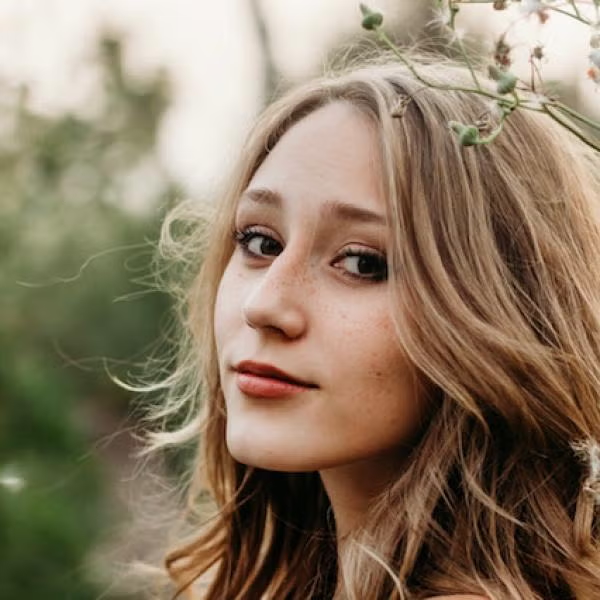
"I've always had a passion for psychology. I hope to improve the lives of others and advance the field of child wellness research."
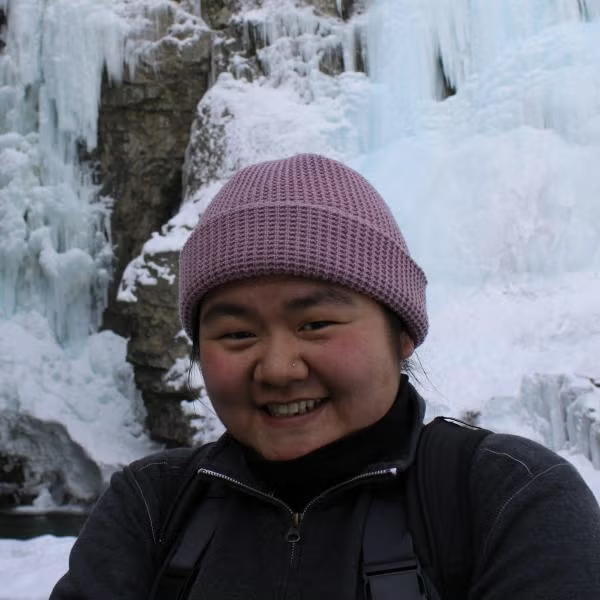
"I joined the URFP because I resonated with Crown’s vision and have a deep interest in caring for and helping others."
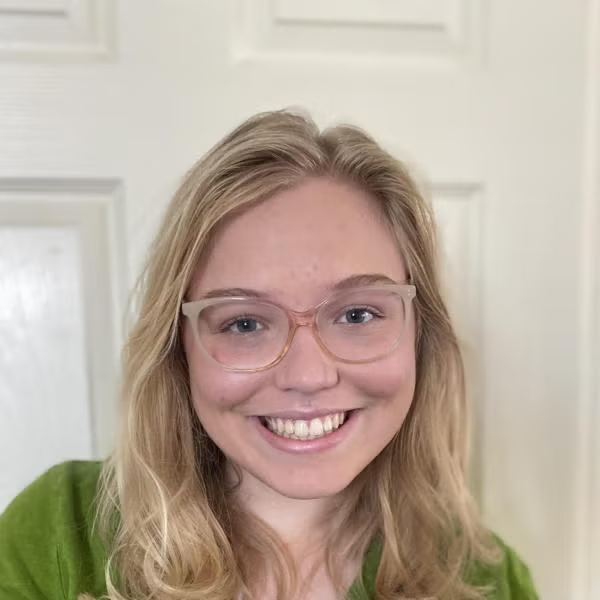
"I'm passionate about the longevity of mental health care for adolescents and understanding how different techniques can be more or less effective in a classroom setting for youth in the long term."
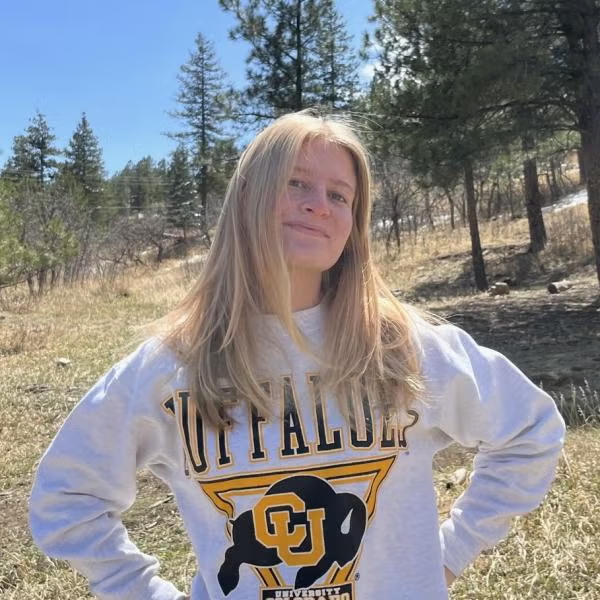
"I'm fascinated with developmental and clinical psychology and am hoping to do research in either of these disciplines. I’m excited to deepen my wellness and mindfulness practices connect with other fellows and faculty."
"I’m interested in meditation and how non-Western belief systems intersect with Western psychology and inform one another."
"I'm interested in understanding the well-being and mental health of adolescents to build an environment where everyone can thrive."
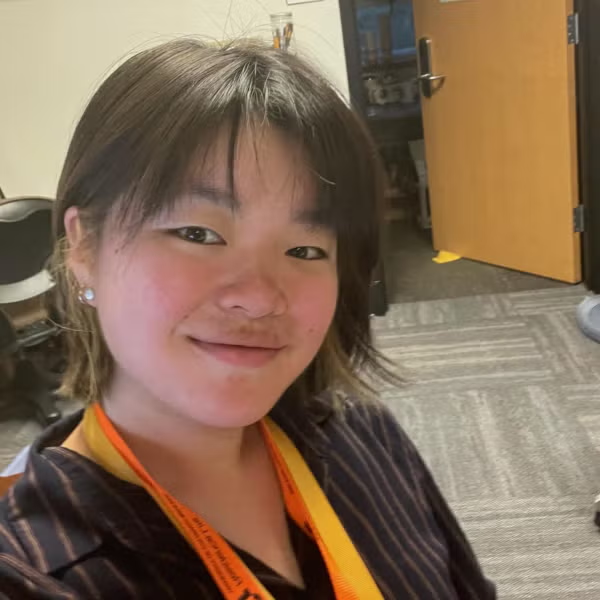
B.A. in Psychology, Chinese, Asian Studies, & Leadership & Community Engagement
“One thing that is so helpful is the peer mentorship, being around peers, and communicating on the same project. That collaborative aspect helps you build upon yourself with different perspectives. It makes research better. This program reinforces respect to have for your peers and to collaborate with them.”

Dual B.A. in Psychology & Neuroscience
“The most valuable aspect of the fellows program has been the support from the team who's seen us grow into our identities as researchers. I wanted to do my own project and Winnie stepped up as a mentor helping me see that project to fruition. Some valuable insights I've taken away is what it's like to be a researcher. I'm considering doing a PhD or doing research in medical school. I really do have a love for it.”
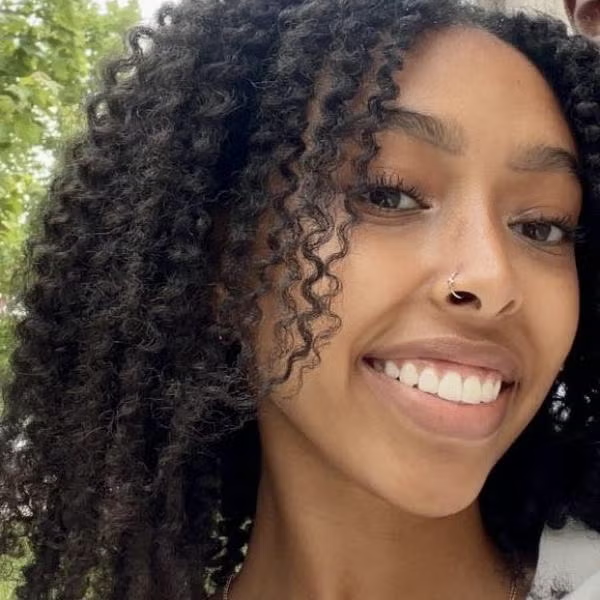
B.A. in MCDB & Neuroscience
"The honors thesis portion was the most invaluable part of the program. This gave us the opportunity to apply what we've been learning in the fellowship and put it into our own research with the help of our faculty mentors. Being matched into a lab was also helpful. We read about the other labs under the Institute, did the weekly seminars, and were matched with what aligned with our interests, and what we want to do in the future."
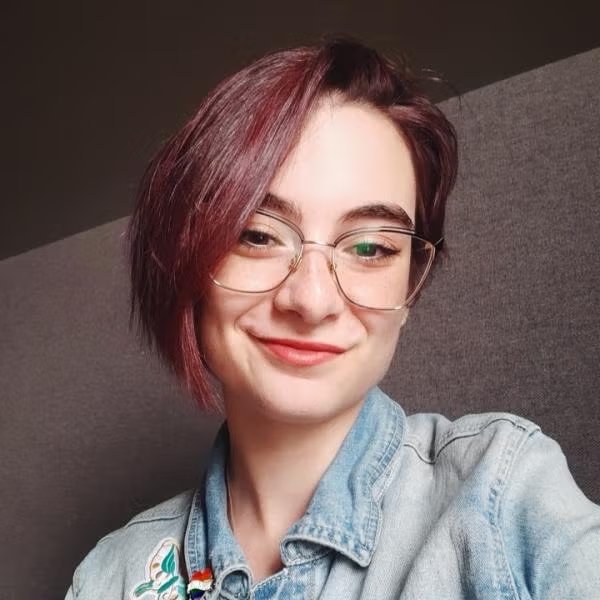
Dual B.A. in Psychology & Sociology, Certificate in Public Health
“From little baby sophomores to seniors, it was really cool to grow and build a bond with Winnie and Joey. In classes, it's hard to get a full understanding of what research is without doing it. Without actively engaging in this fellowship, I don't think I would have understood what was going on. Being able to engage with people of different research backgrounds has helped widen the breadth of what research can apply to, which is everything.”
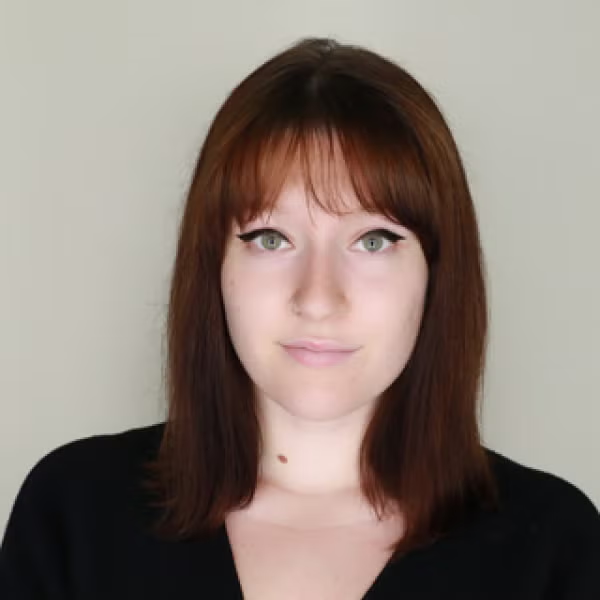
B.A. in Psychology, Minors in French & Music, Certificate in Public Health
“I think a big thing that has been valuable is the mentorship that was available through the program. The Year 2 Project was extremely valuable through conceptualizing the project, doing the IRB, doing the REDCap, doing a project write up, presenting orally at a conference, and making a poster. You can learn a lot about time management, academic writing, asking for help, and learning about different kinds of research methods.”
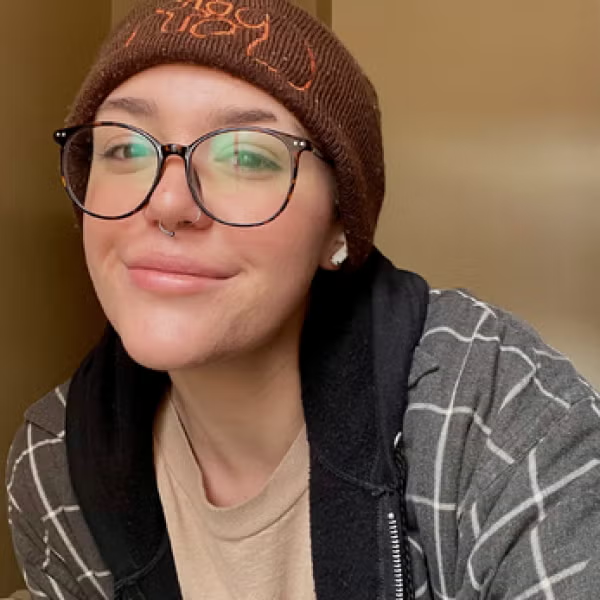
Cohort 2022
"Ever since I was a kid, I have been fascinated by the brain and wanted to learn as much about it as possible."
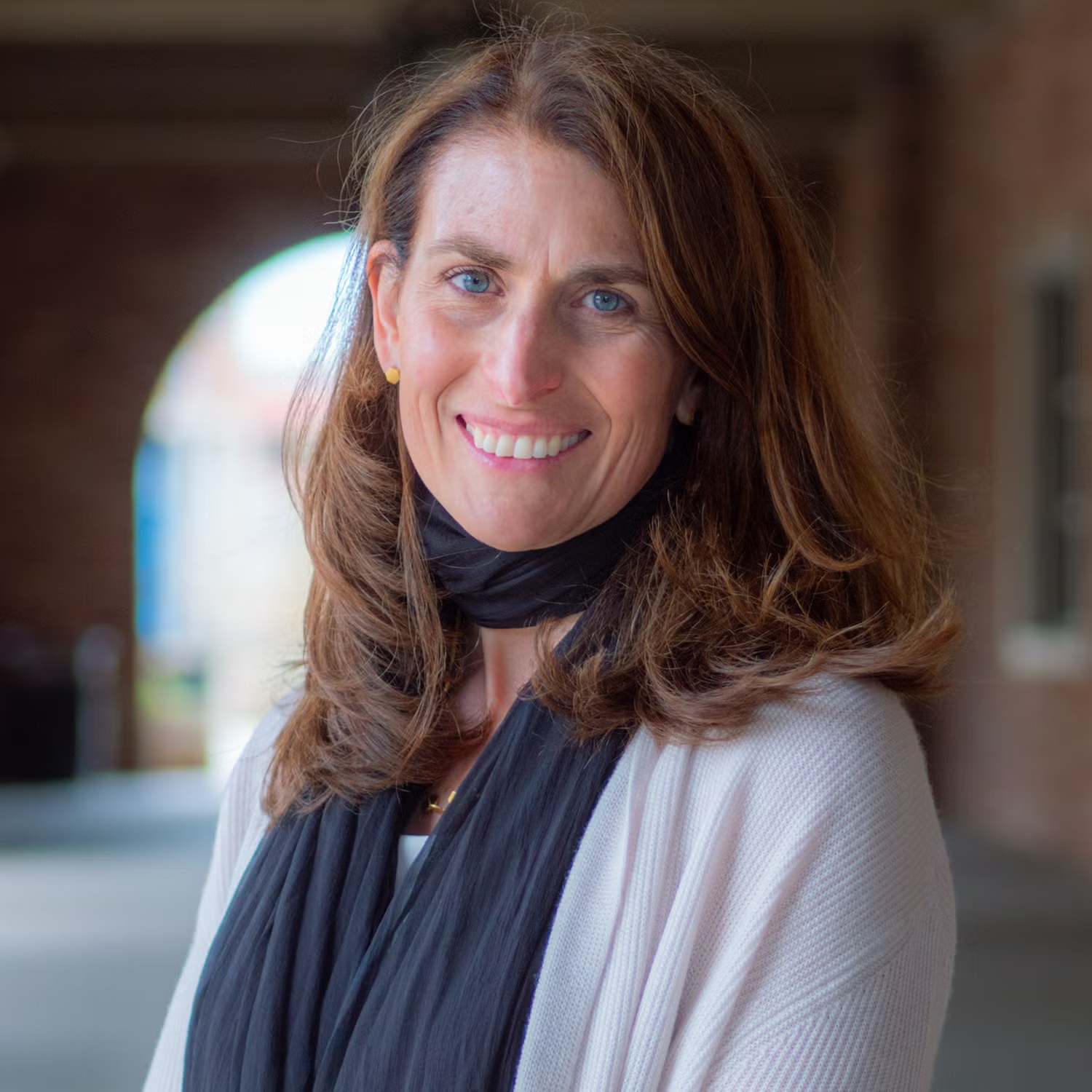
%20Pietri.jpg)