

Our conviction:

Science + love work better together.

Science asks questions to discover new knowledge that can change the world.
At the Crown Institute, our question is constant:
How can more young people thrive?
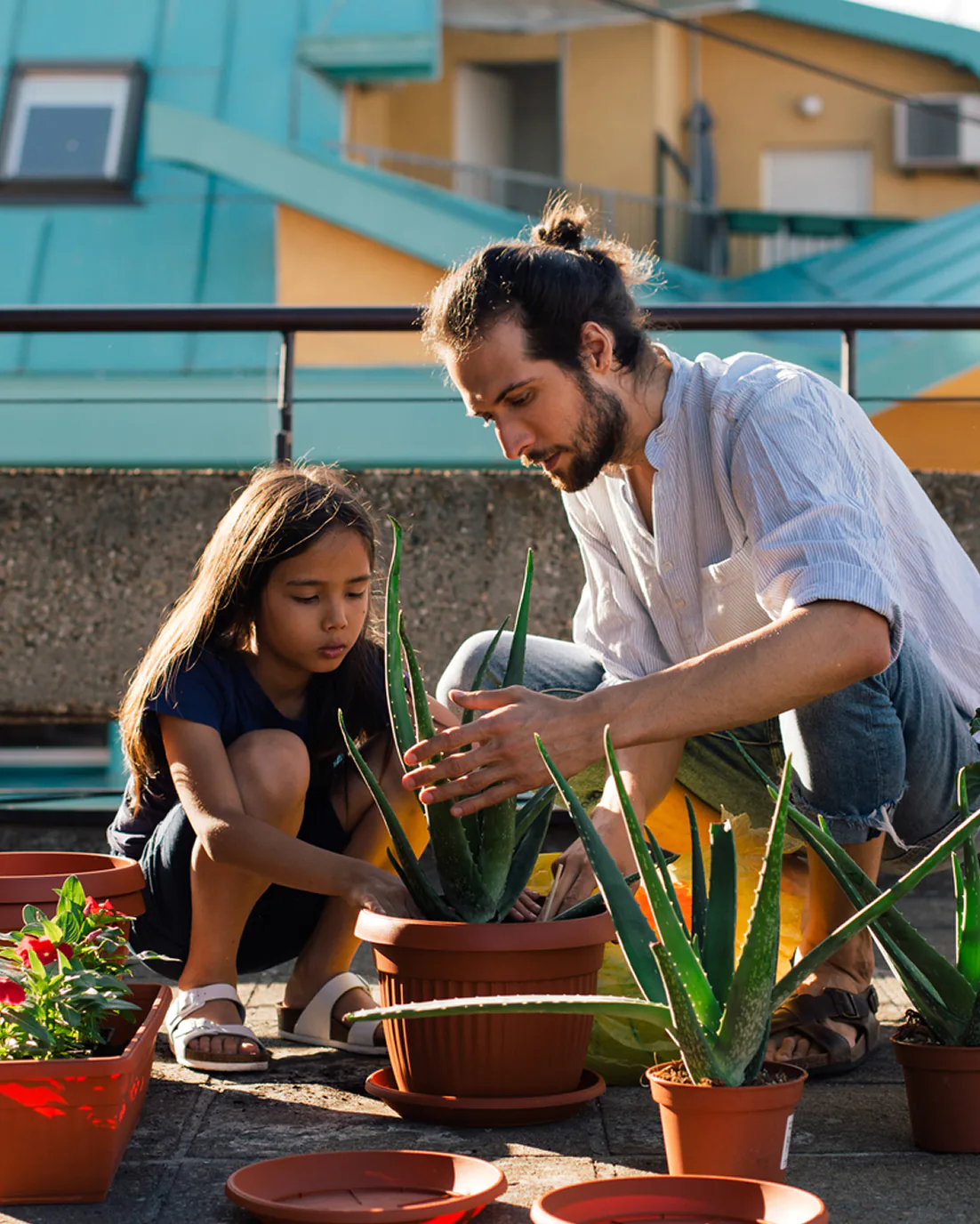
A man and a young girl tending to aloe vera plants in pots on an outdoor patio.
Three smiling young adults embracing, showing friendship and happiness.
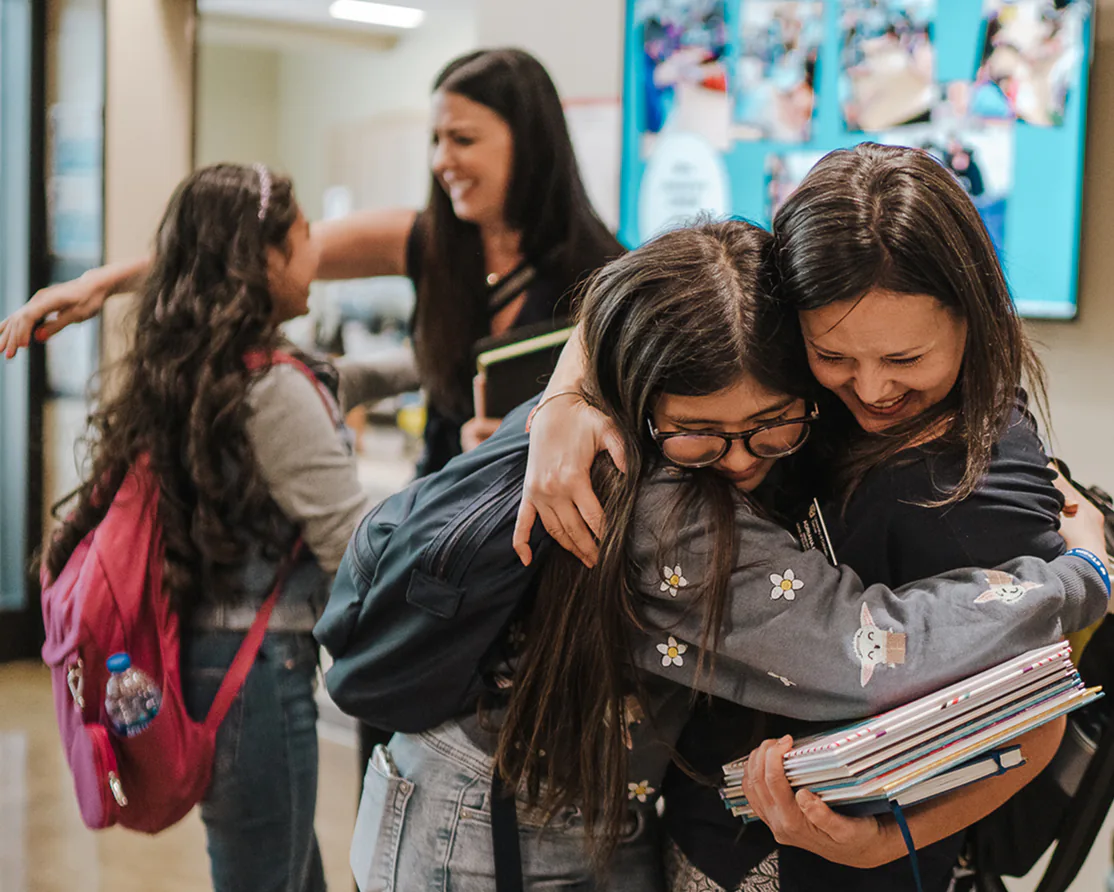
Two girls with backpacks warmly hugging two women inside a school hallway.
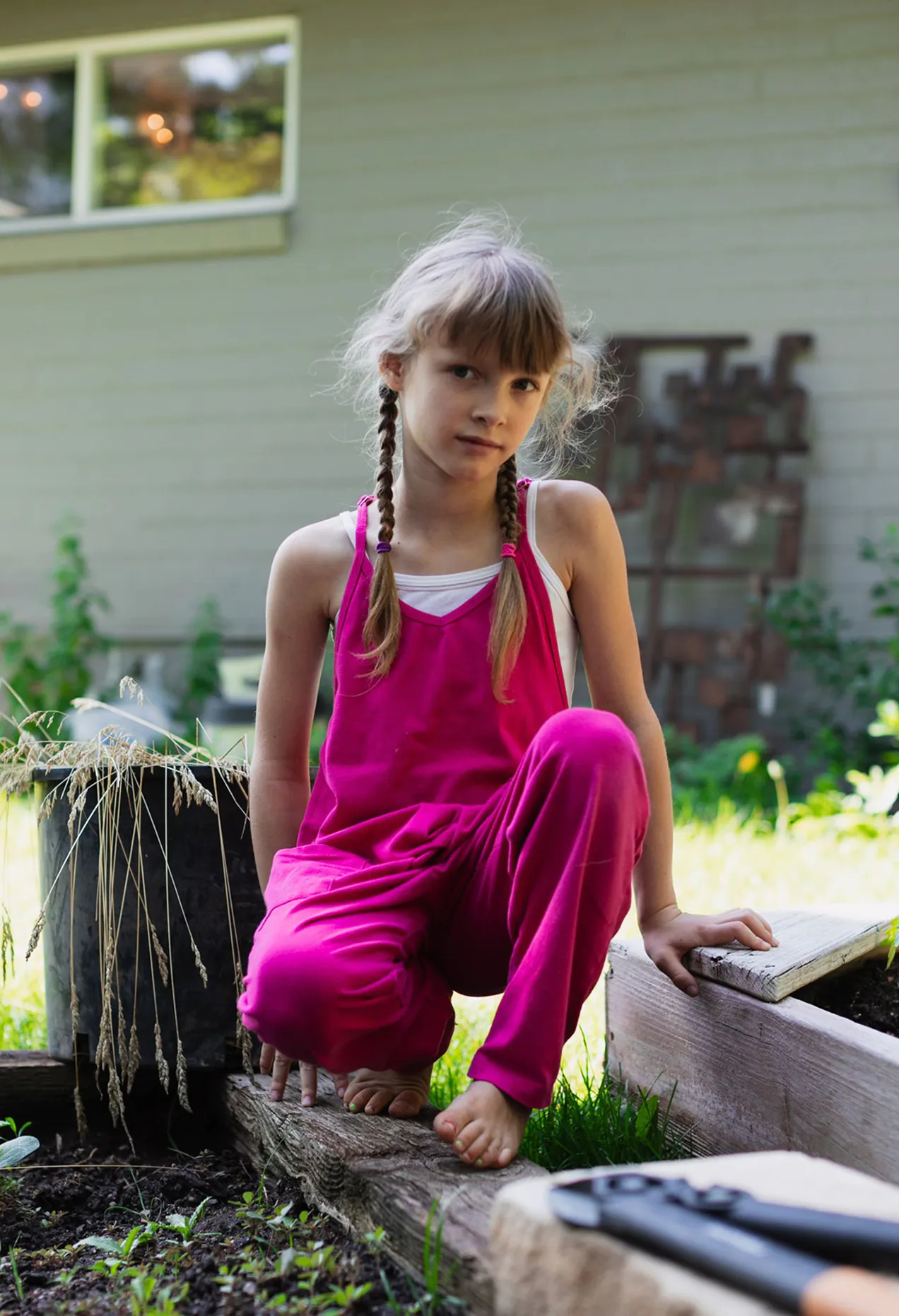
Young girl with braided hair wearing a pink outfit crouching barefoot in a garden near raised wooden garden beds.

Kids are struggling — in record numbers and often alone. Their parents and teachers are often exhausted and overwhelmed.

These challenges are complex and require a new approach, starting with the core conviction that kids, parents, and teachers have profound capacities, including the inherent capacity to be well.

To truly discover how kids, families, and educators access these inner capacities, science must work in a different way.

That’s why we choose to conduct research that is both scientifically rigorous and infused with respect, humility, kindness, and dignity — qualities that, in any other context, we’d simply call…

Love.

Our science begins with what’s whole in people — not what’s broken. We don’t overlook inherent capacities; we see and strengthen them.

We listen to what life actually feels like for young people, parents, and educators. We work side-by-side with those who know their own lives best, co-designing every step.

We bring together many disciplines to address these complex challenges — psychology, neuroscience, education, business, contemplative studies, communications, media, the arts.
We hold the long view. This work matters — not only today but for generations to come.
We’re told what makes us stand out isn’t just what we do, but how we do it. We cultivate a culture of belonging, care, and — above all — belief in young people and each other.

We are grounded in compassion, in everything we do. It’s how we’ll chart the path to lifelong mental health and wellness for young people, families, and educators.
Previous
Next
This is what we mean by combining science and love.
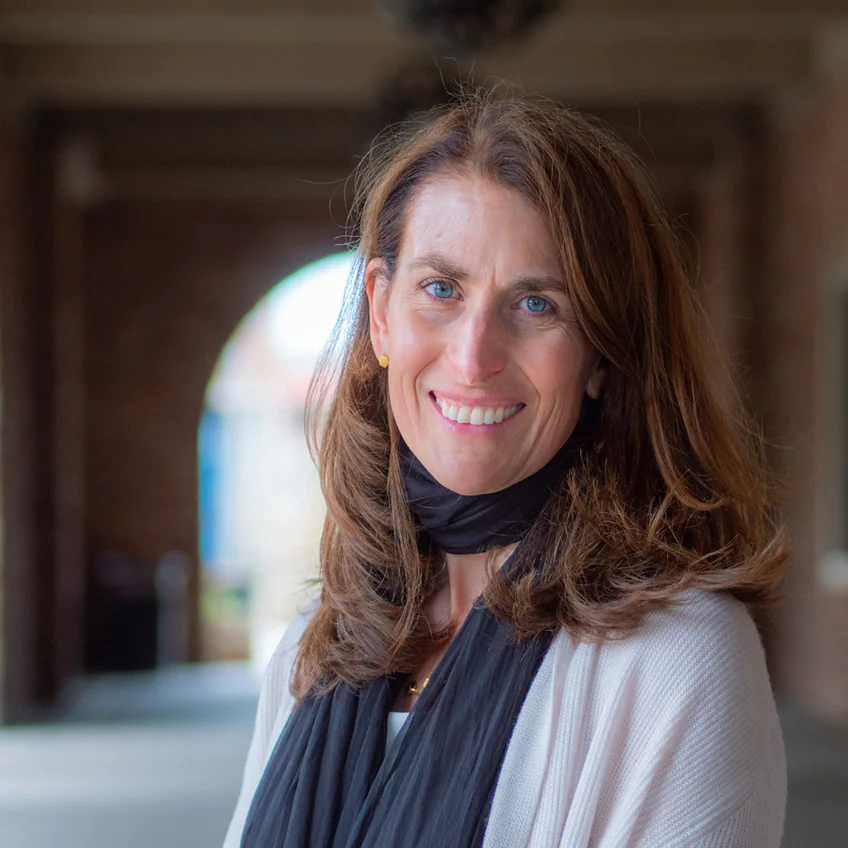
Smiling woman with long brown hair wearing a black scarf and white sweater, standing in an arched corridor.
“There is no ‘us’ (the reseachers) and ‘them’ (the subjects). Those old distinctions are dissolved. There is only a ‘we.’”

Sona Dimidjian, PhD
Institute Director, Professor,
Department of Psychology and Neuroscience,
University of Colorado Boulder
We invite you to join us.

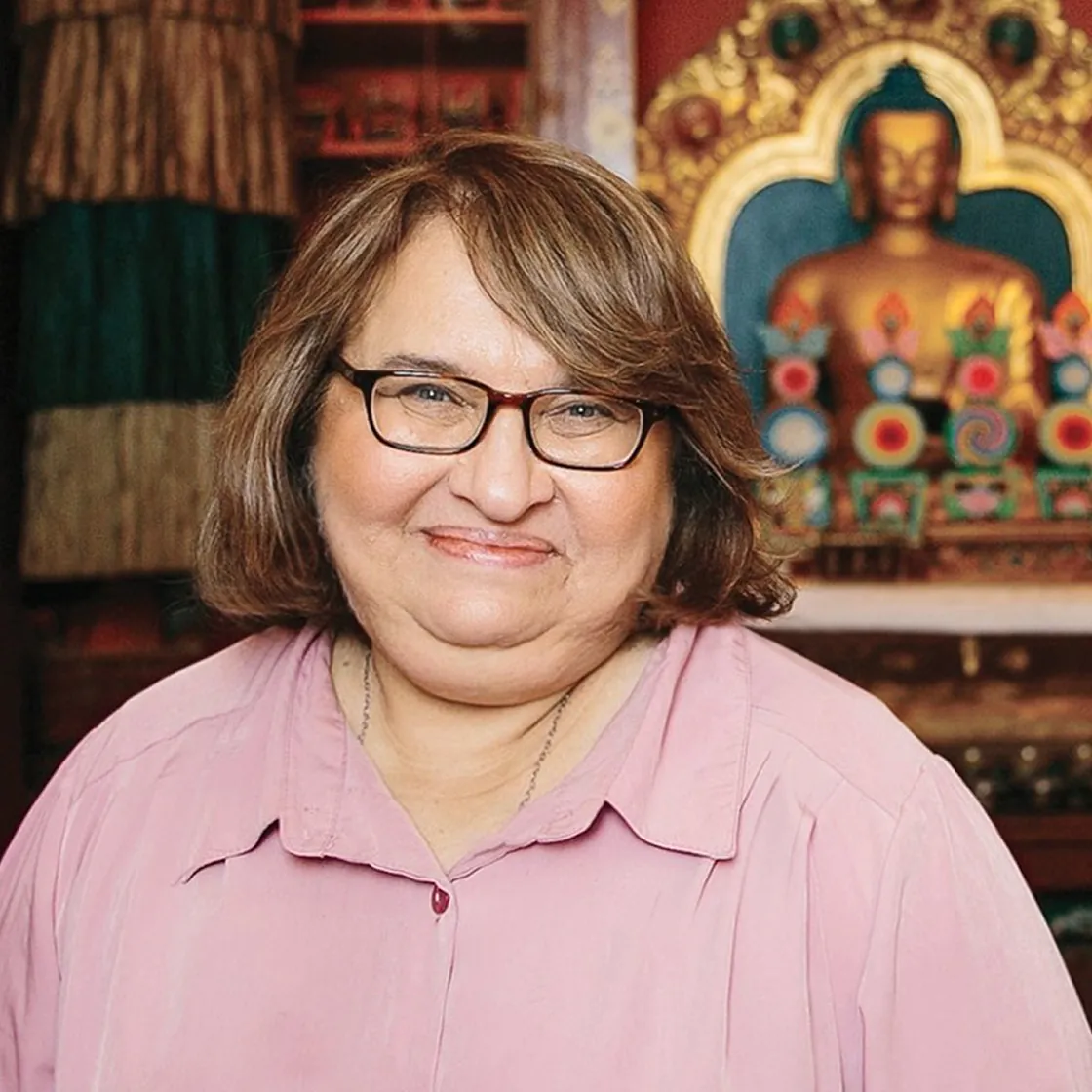
Sharon Salzberg

Science and loving-kindness share something essential: both ask us to pay attention, to stay open, and to be patient with what unfolds. When we look closely, without judgment or rigid preconceptions, understanding naturally turns into connection and care. That simple act of awareness — of seeing things as they are — is a form of love.

Sharon Salzberg
Sharon Salzberg

Sharon Salzberg brought mindfulness and loving-kindness meditation to mainstream American culture fifty years ago, inspiring generations of meditation teachers and wellness influencers.

Anahi Collado

Communities hold deep knowledge about what it means to thrive. By approaching research with openness and humility, we honor that wisdom and create space to learn from it. In partnership, we can co-create ways to nurture collective well-being, helping more individuals draw on that wisdom within themselves.

Anahi Collado, PhD
Anahi Collado, PhD

Anahi Collado, a clinical psychologist and researcher, builds mental health models that draw on the connection and compassion already thriving in communities often overlooked by traditional systems.

Thupten Jinpa

For centuries, contemplative traditions have known compassion as a force for healing — for oneself and for others. Modern science helps reveal how compassion works, and how we can nurture it in daily life. For me, these two ways of knowing are inseparable; together they guide the path toward reducing suffering in our world.

Thupten Jinpa
Thupten Jinpa

Thupten Jinpa, a scholar, former monk, and longtime interpreter for the Dalai Lama, works to translate ancient insights into practical tools for inner wellness and collective flourishing.
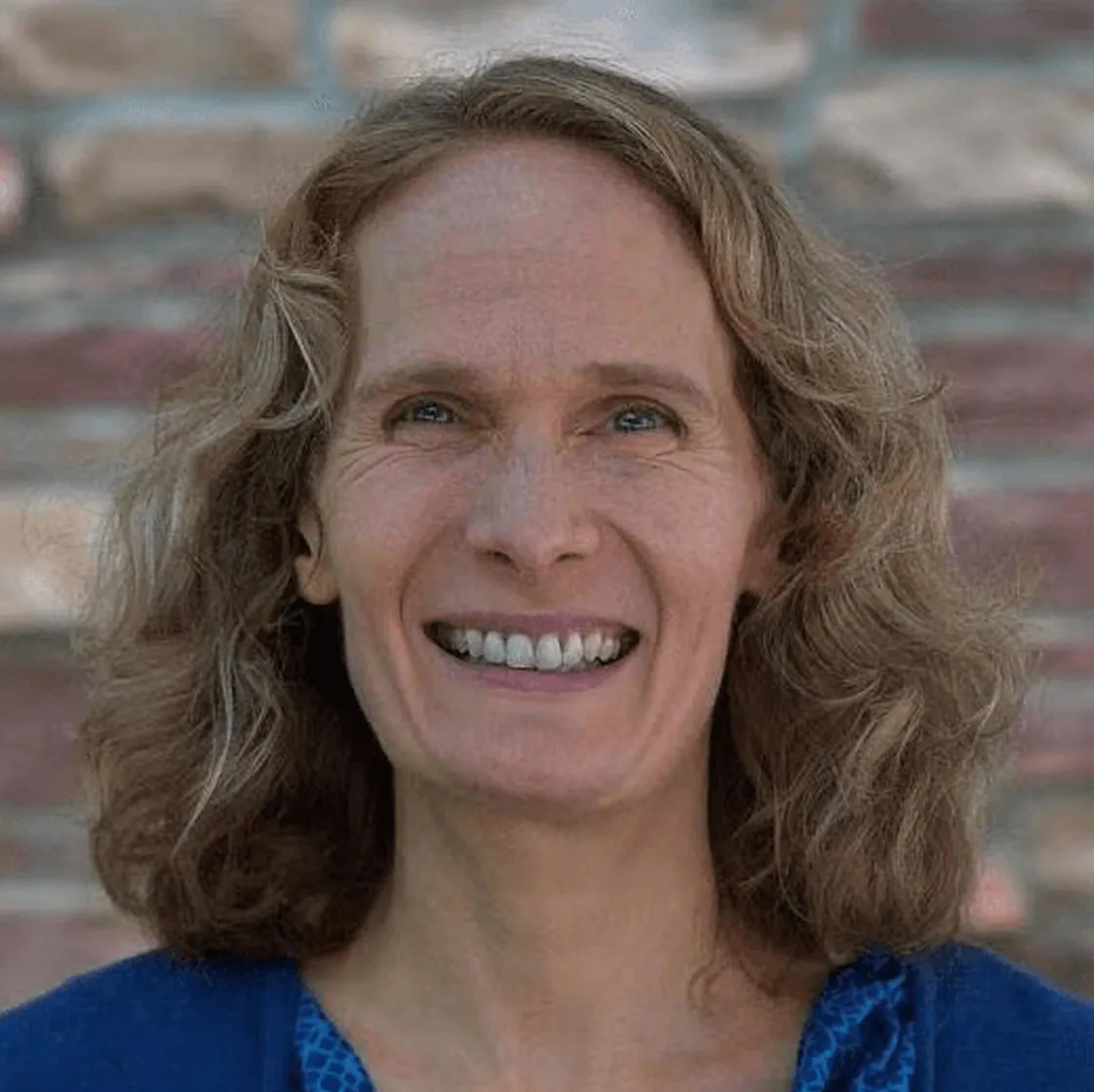
Joanna Arch

Engaging in clinical science at the Crown Institute has shown me how research can honor both rigor and humanity. Centering science on lived experience and on authentic collaboration has deepened our science and our compassion and the synergy between them. Together, we’re addressing an unmet need among college students with heart, respect, and a shared commitment to meaningful change.

Joanna Arch, PhD
Joanna Arch, PhD

Joanna Arch, PhD, collaborates with community practitioners and students to alleviate social anxiety in young people — a condition that affects nearly one in four U.S. adults.
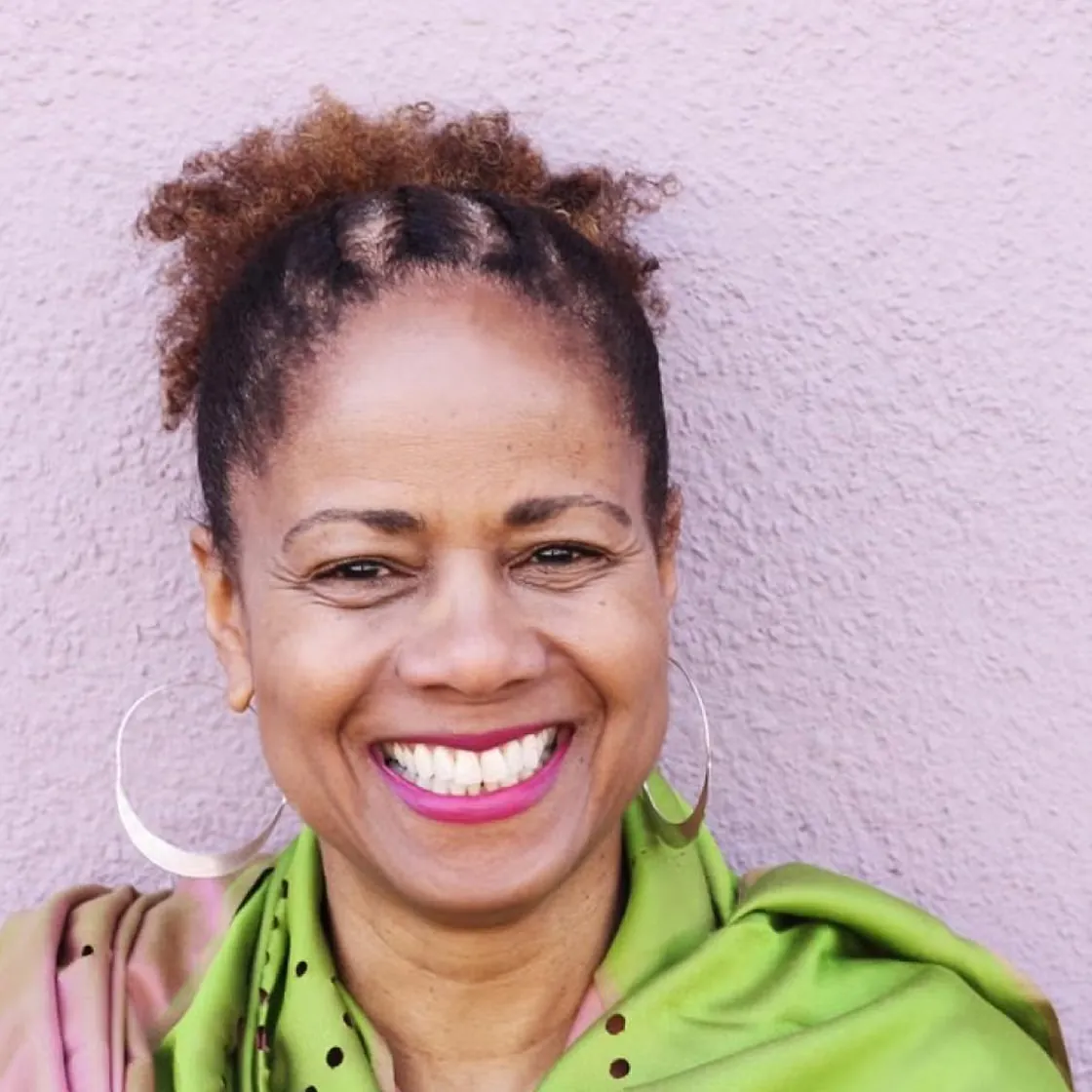
Michele Simpson

Our experiences and lives are shaped by the many identities we each hold and all the ways they intersect. Recognizing these intersections helps us appreciate the multifaceted nature of the human experience. As educators, we honor and recognize knowledge and truth in all its forms: intellectual, artistic, scientific, and spiritual.

Michele Simpson, JD
Michele Simpson, JD

Michele Simpson, JD, is a sought-after professor who weaves together mindfulness, philosophy, storytelling, law, and — above all — community across her courses and programs.
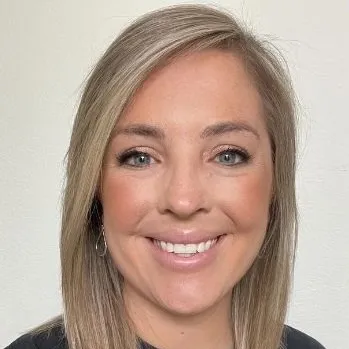
Julie Arbuckle

Who’s the expert in being a kid? Kids are. As a social worker, I value research that listens to kids and builds interventions with them, not just for them. When kids can show up as they are, share their opinions, and be genuine partners in the research process alongside adults, we create tools that are more relevant, engaging, and effective.

Julie Arbuckle
Julie Arbuckle

According to the kids she works with, Julie’s job is to help them with their emotions, make sure they are safe, listen to them when they are sad or mad, and let them be themselves.

Previous
Next
The results:
Evidence, programs, and practices for a lifetime of wellness.

Explore this website, and our social media, to learn more about how science and love come together — and see how we bring the combination to life every day at our CU Boulder institute.

The Crown Institute is always growing, learning, and evolving. 

From students to scholars, families to philanthropic partners, parents to policymakers, researchers to artists, and many more — all are welcome in the Crown Institute community.

Sign up below to get updates about our research, educational programs, and events.
Stay in Touch

Thank you! Your submission has been received.
Oops! Something went wrong while submitting the form.
Field of colorful wildflowers with pink, red, white, and yellow blooms under soft natural light.